
What is remedial massage? What are the benefits?
Remedial massage is not just a luxury; it can be an essential component of a comprehensive health and wellness plan. Many individuals seeking relief from physical ailments turn to remedial massage as a viable treatment option. By understanding its benefits, patients can make informed decisions about their healthcare.
In addition to treating injuries, remedial massage can also serve as a preventative measure. Regular sessions can help maintain muscle health and promote relaxation, which can prevent injuries from occurring in the first place. This proactive approach is particularly beneficial for athletes and those with active lifestyles.
Remedial massage therapists are trained to assess and treat the soft tissue and in turn treat injuries and related pain. Soft tissue is muscles, tendons, ligaments and connective tissue. They use a variety of techniques in pain management of chronic conditions, posture, sporting and occupational injuries. They should at least hold a Diploma of Remedial Massage, and be registered with a massage association.
Moreover, the techniques employed during remedial massage can vary widely, tailored to the unique needs of each individual. Techniques may include Swedish massage, deep tissue work, and even specialized methods for targeting specific areas of tension or pain. Understanding these various techniques can help patients find the right therapist and treatment plan for their needs.
For instance, if a patient is suffering from chronic back pain, a therapist might focus on the lower back and surrounding areas to alleviate tension. The therapist may also provide advice on stretches or exercises to complement the massage and enhance recovery. This holistic view of treatment underscores the importance of communication between the therapist and the patient.
Additionally, it’s essential to consider the psychological benefits of remedial massage. Many patients report feeling a sense of tranquility and reduced stress levels after their sessions. The calming effects of massage can lead to improved mental health outcomes, making it a valuable addition to traditional therapeutic approaches.
It’s important to highlight that while studies support the efficacy of remedial massage, individual experiences may vary. Some people may find immediate relief, while others might need several sessions to experience significant benefits. This variability reinforces the importance of patience and perseverance when undergoing treatment.
Incorporating testimonials from patients who have undergone remedial massage can also provide insights into its effectiveness. Personal experiences can help potential patients relate and understand the potential outcomes of such treatments. Hearing success stories can be motivating and encourage others to seek out remedial massage for their ailments.
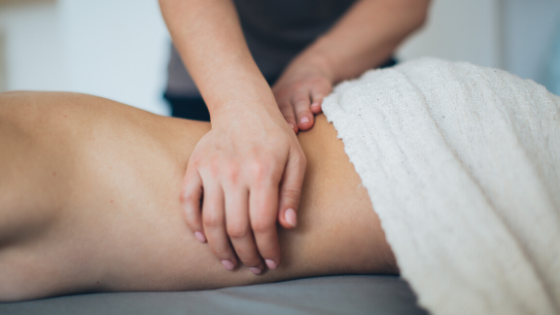
Additionally, remedial massage can be beneficial for specific populations, such as pregnant women, the elderly, and those recovering from surgery. Adjusting techniques to suit these groups ensures safety and effectiveness, highlighting the versatility of massage therapy in various contexts.
Overall, remedial massage can improve overall quality of life, providing not just physical relief but also emotional support. Many patients integrate massage therapy into their routine healthcare, showcasing its role in maintaining general well-being.
As with any treatment, it’s crucial to select a qualified and experienced massage therapist. Researching credentials, reading reviews, and discussing treatment goals can lead to a more effective and satisfying experience.
In conclusion, remedial massage offers numerous benefits for a variety of conditions. Whether you are dealing with pain, recovering from an injury, or simply seeking relaxation, incorporating remedial massage into your wellness routine can lead to significant improvements in both physical and mental health.
Understanding that remedial massage is not merely a treatment but a holistic approach to health can empower individuals to take charge of their wellness journey. Through ongoing education and awareness of the benefits, more people can experience the positive impacts of remedial massage in their lives.
To determine how to treat patients effectively, remedial therapists must have a working knowledge of human anatomy, physiology and pathophysiology. A typical massage session will involve a thorough consultation and assessment to determine the what might be causing the pain.
The goal of remedial massage is to help you return to normal health and function after injury. The treatment is designed to remediate the condition by reducing or eliminating pain and restoring range of movement. (Massage and Myotherapy Association of Australia, 2021)
As massage therapy continues to evolve, ongoing research into its effectiveness is essential. New techniques and approaches are being developed, making it crucial for therapists to stay updated on the latest findings and practices. This commitment to professional development ensures that patients receive the highest quality of care.
Does massage work?
Studies have shown that massage is effective in treating a range of symptoms related to a variety of conditions including pain, loss of range of motion, and effects of joint dysfunction from arthritis, bursitis, muscle or tendon tear.
Some of the benefits of remedial massage include;
- Reduced muscle tension
- Increased mobility and flexibility
- Reduction and management of pain
- Increased recovery of soft tissue injuries
- Reduction of symptoms from chronic musculoskeletal conditions.
We aim to reduce your pain, with a relaxing and respectful treatment. Let us help you achieve your health goals through the power of remedial massage.
A combination of deep tissue massage, trigger point therapy, and myofascial release is used to relieve your muscle tension, improve your range of movement, and reduce your pain. Dry needling and cupping may also be a part of your remedial treatment. By understanding the various techniques and their applications, patients can maximize the benefits of their sessions.
There is good evidence around the effectiveness and benefits of massage therapy. It has existed in some form or another since the dawn of time, across all cultures. If you’d like to read further about the science, Pain Science is a good site with the evidence.