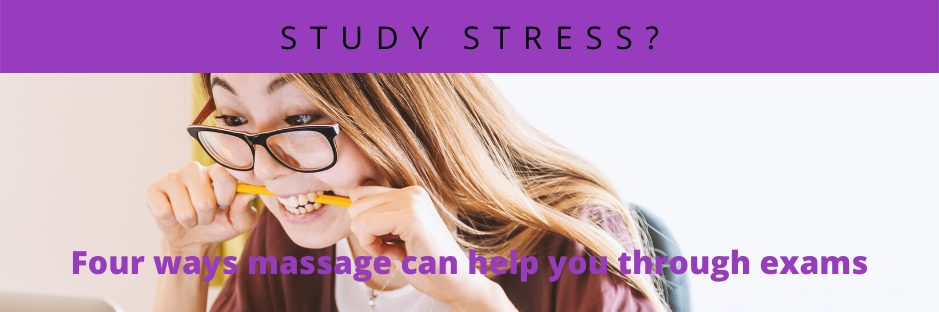
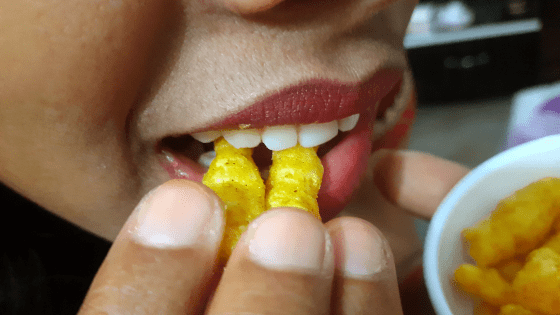
Misophonia is a condition where certain sounds — such as chewing, breathing, tapping, or repetitive noises — trigger an intense emotional and physical response. People with misophonia often experience anger, panic, disgust, or an overwhelming urge to escape. It’s not about being “overly sensitive” or dramatic — misophonia is linked to how the brain processes sound and threat.
Living with misophonia can affect relationships, work, and daily activities. Fortunately, there are practical ways to cope, and supportive therapies can help reduce distress and improve quality of life.
Self-Care Strategies for Misophonia
Self-care is a key part of coping with misophonia because it helps regulate the nervous system and reduce overall stress levels.
Sound management
Using white noise, background music, or nature sounds can reduce the impact of trigger noises. Noise-cancelling headphones may help in public spaces, while soft ambient sound during meals or work can make shared environments easier to tolerate.
Create low-trigger environments
Having a safe, quiet space at home allows your nervous system time to recover. Constant exposure to triggering sounds without relief can increase sensitivity over time.
Set boundaries and communicate
Explaining misophonia to family, friends, or colleagues can help reduce conflict and misunderstanding. Simple agreements — such as eating separately during stressful times or allowing you to step away — support emotional safety.
Regulate the nervous system
Breathing exercises, grounding techniques, and gentle movement help shift the body out of fight-or-flight mode. Regular physical activity, time in nature, and good sleep hygiene also improve tolerance to sound triggers.
Practise self-compassion
Many people feel shame or frustration about their reactions. Misophonia is not a character flaw — it is a sensory response that deserves care and understanding.

How Counselling Helps with Misophonia
Counselling supports both the emotional and behavioural aspects of misophonia. Approaches such as Cognitive Behaviour Therapy (CBT) and Acceptance and Commitment Therapy (ACT) can help you:
• Understand your trigger patterns
• Reduce catastrophic thinking (“I can’t cope with this”)
• Learn tools to calm emotional spikes
• Gradually build tolerance in a controlled way
• Reduce avoidance that limits daily life
Counselling can also explore emotional associations with certain sounds, such as triggers linked to specific people or stressful situations. For neurodivergent individuals, working with a sensory-aware therapist can be especially helpful.
How Massage Can Support Misophonia
Massage therapy does not directly change sound sensitivity, but it helps regulate the body’s stress response.
Misophonia activates fight-or-flight, leading to muscle tension, shallow breathing, and constant alertness. Massage can help by:
• Lowering stress hormones
• Releasing chronic muscle tension
• Improving sleep quality
• Supporting emotional regulation
When the body feels calmer and safer, sound triggers often feel less overwhelming. Massage also helps rebuild a sense of safety in the body, which is essential for people who feel on edge in noisy environments.
How Hypnotherapy May Help with Misophonia
Hypnotherapy works with subconscious patterns that connect sound triggers to intense emotional reactions. It may help to:
• Reduce automatic fight-or-flight responses
• Build calm responses to trigger sounds
• Reframe how the brain interprets sound
• Strengthen emotional control and confidence
In a deeply relaxed state, the mind becomes more open to learning new associations. Hypnotherapy does not force you to enjoy trigger sounds, but it can soften their emotional impact over time.
A Whole-Person Approach to Misophonia
Misophonia is not just about sound — it is about how the brain and nervous system interpret that sound. Combining self-care strategies with therapies such as counselling, massage, and hypnotherapy can reduce distress and help you feel more in control.
You do not have to simply endure misophonia. With the right support, it is possible to live more comfortably and with less fear of sound triggers.
If misophonia is affecting your daily life, support is available. A personalised approach that combines counselling, body-based care, and relaxation techniques can help you feel calmer and more in control around sound.
Book a free 15-minute consultation to explore how counselling, massage, or hypnotherapy could support you in managing misophonia.