Arthritis is a prevalent musculoskeletal condition that impacts millions of Australians. Here are some of the most frequently asked questions related to this condition.
What is arthritis?
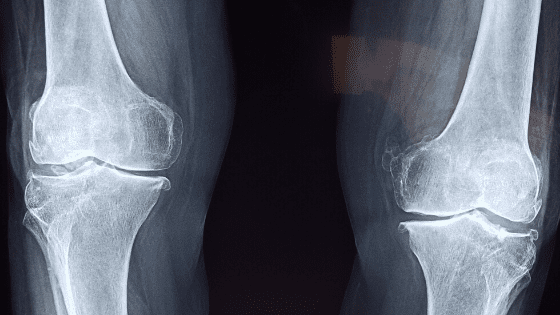
The word arthritis literally means ‘joint inflammation’. It refers to over a hundred different diseases. Most cause inflammation of the joints, muscles and tendons. Although some effect other systems of the body such as skin and organs.
What are the types of arthritis?
Some of the most common types of arthritis include;
- Osteoarthritis (OA),
- Rheumatoid Arthritis (RA),
- Gout,
- Juvenile Arthritis,
- Fibromyalgia,
- Psoriatic Arthritis (PsA),
- Haemochromatosis and Haemochromatotic Arthritis,
- Sjogren’s Syndrome… and many more
Who is affected by this condition?
Many individuals experience arthritis, with a higher prevalence among older adults.
What leads to this condition?
With various types of arthritis, numerous factors contribute to its onset. Genetics, autoimmune diseases, and infections are significant contributors, while many causes remain unknown.
Can cracking knuckles cause arthritis?
There is no evidence that cracking joints or knuckles can cause arthritis directly. However, repeated injury of the joints can injure the cartilage and potentially lead to degenerative joint disease.
What does arthritis feel like?
The major symptom of arthritis is pain, swelling, redness and stiffness in the joints. The effects differ with the types of arthritis, from person to person and even day to day.
What are the warning signs?
Stiffness and difficulty moving joints may occur. Surrounding muscles might feel tight and sore, making daily tasks challenging.
How is this condition diagnosed?
Management strategies may include lifestyle changes, physical therapy, and medication.
A diagnosis is made by healthcare professionals, including doctors and rheumatologists, based on medical history and symptoms. You may undergo various tests and scans.
Who provides treatment?
Your general practitioner or a rheumatologist will typically manage your care. Other professionals such as physiotherapists and nutritionists can also assist.
What treatments are available?
Medications
Anti-inflammatories reduce both pain and swelling. These medications are nonsteroidal anti-inflammatory drugs (NSAIDs). Some NSAIDs such as aspirin, ibuprofen and naproxen sodium are available without a prescription; others are only available by prescription.
Corticosteroids are prescribed to reduce severe pain and swelling. They are given by injection or in pill form. Injections can bring quick relief but can only be used a limited number of times as they can weaken bone and cartilage. Corticosteroids must be prescribed by a doctor.
Disease modifiers tend to slow down the disease process in rheumatoid arthritis. Researchers do not know how this happens. These drugs are available only by prescription and may take several weeks or months to work. Your doctor will carefully monitor you for side effects.
Sleep medications may promote deeper sleep and help relax muscles. These drugs may help people with fibromyalgia sleep better. They are available by prescription. They are used in very low doses at bedtime.

Exercise and rest
Building your muscular strength and flexibility will help manage your pain. Muscles will help protect your joints and take the pressure off the joint structures and ligaments. Exercise from a physiotherapist or exercise physiologist can help you strengthen where it is needed most. However, knowing your limits and resting when needed will help prevent overloading your system and reducing the risk of further inflammation.
Nutrition
There is a lot of good evidence around nutrition and inflammation. Foods like alcohol, processed foods, and fats should be avoided. Instead, a diet of plant based whole-foods and oily fish can help reduce inflammation and ease joint pain. Find the ten best foods for inflammation…

Heat and cold therapy
I have written in other blog posts about heat and cold therapy, which to use and when. Essentially, heat is best for easing tension in muscles, while using ice/cold therapy is good for inflammation. However, sometimes humidity and ‘wet heat’ is good for joint pain and arthritis.
How to apply ‘wet heat’? An easy form of wet heat is a warm bath or shower. Steam and humidity can help ease joint pain. Another good remedy is to apply a heat or magnesium cream and wrap the joint in a hot, wet towel.
Physical therapies
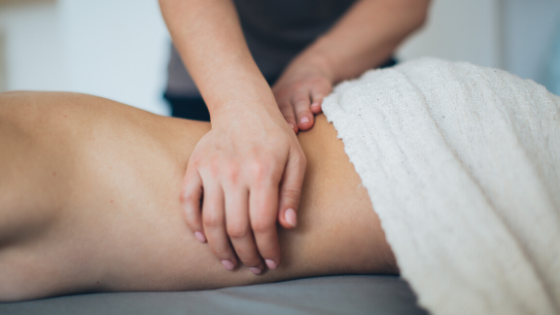
Physical therapies such as remedial massage, acupuncture, and hydrotherapy are all good types of physical therapies to help ease the pain of arthritis.
Surgery
Sometimes joint replacements are needed. Advancements in surgeries mean there are great outcomes for patients.
With nearly 15% of Australians suffering from some form of arthritis, it is one of the most common musculoskeletal conditions. There is however, a vast network of healthcare providers helping support those with arthritis and therefore it does not need to be a ticket to suffering. Contact your GP or physical therapist for advice on how you can care for your condition.
With nearly 15% of Australians experiencing arthritis, support systems are available to help individuals manage their condition.